
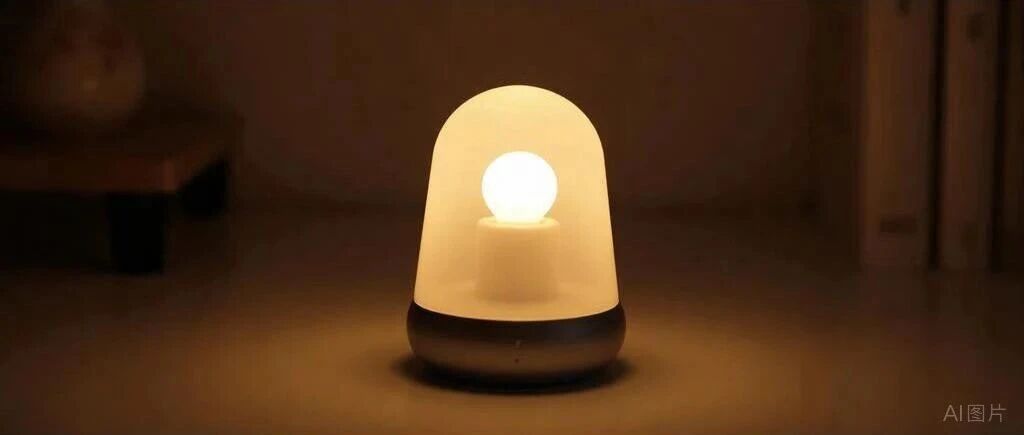
My mother-in-law has slept with a nightlight on for years. She says it makes her feel safe. I recently found out it might be putting her heart at risk.
A recent study caught my attention: exposure to light during sleep can disrupt the body's natural circadian rhythms, leading to increased heart rate, poor sleep quality, and elevated risk of cardiovascular disease over time.
The study tracked older adults and found that those who slept with even moderate light exposure had higher heart rates during sleep, more nighttime awakenings, and markers of increased insulin resistance the next morning.
Why does light matter at night?
Our bodies evolved to sleep in darkness. Light exposure at night suppresses melatonin production — the hormone that regulates sleep-wake cycles. When melatonin is suppressed, the body doesn't enter deep restorative sleep as effectively. Over months and years, this chronic disruption contributes to inflammation, metabolic issues, and cardiovascular strain.
What can you do?
If your elderly parent or relative insists on a nightlight, try these adjustments:
- Use a dim red or amber light rather than white or blue light. Red light has less impact on melatonin suppression.
- Place the light low to the ground, not at eye level.
- Use blackout curtains to block external light sources.
- If they get up at night to use the bathroom, install motion-activated low-path lighting rather than keeping a light on all night.
Sleep quality is one of the most overlooked aspects of elderly health. A simple change like adjusting nighttime lighting could have meaningful long-term benefits.
I talked to my mother-in-law about it. She was skeptical at first but agreed to try a dim red nightlight instead. Three weeks in, she says she's sleeping better. Small changes, big impact.